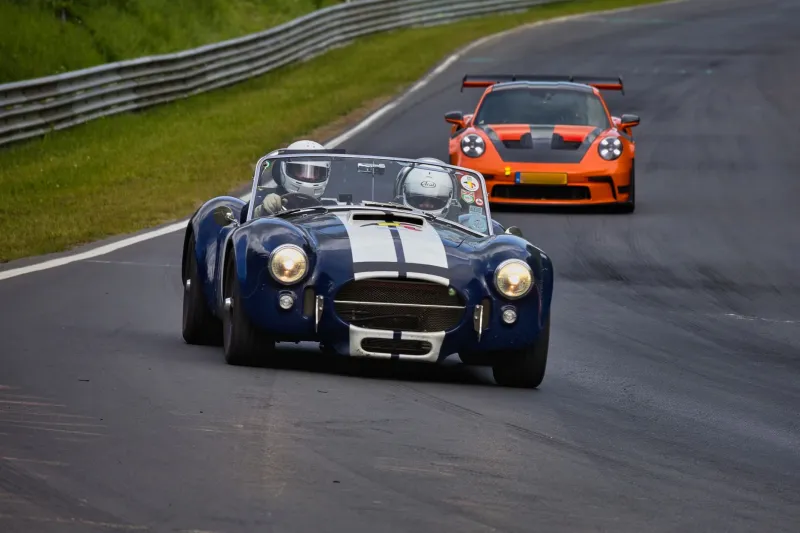
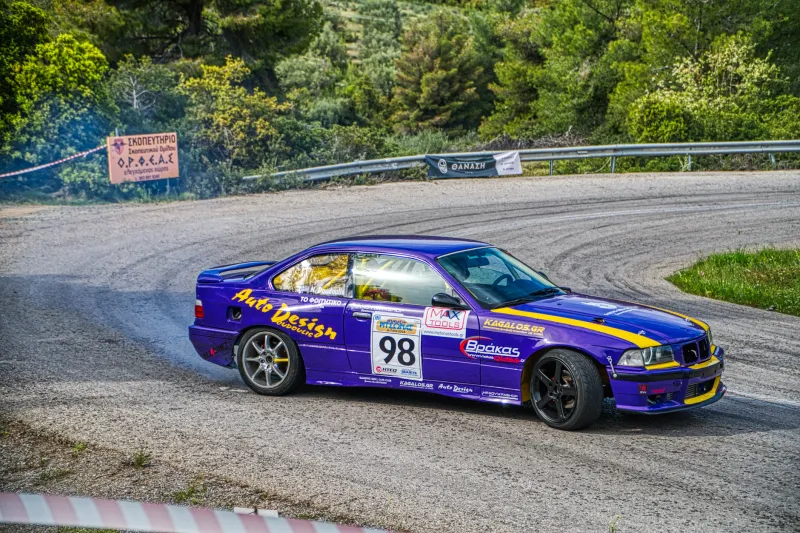
Little Engines, Big Grins: In Defense of TDU 2025's Lovable Underdogs
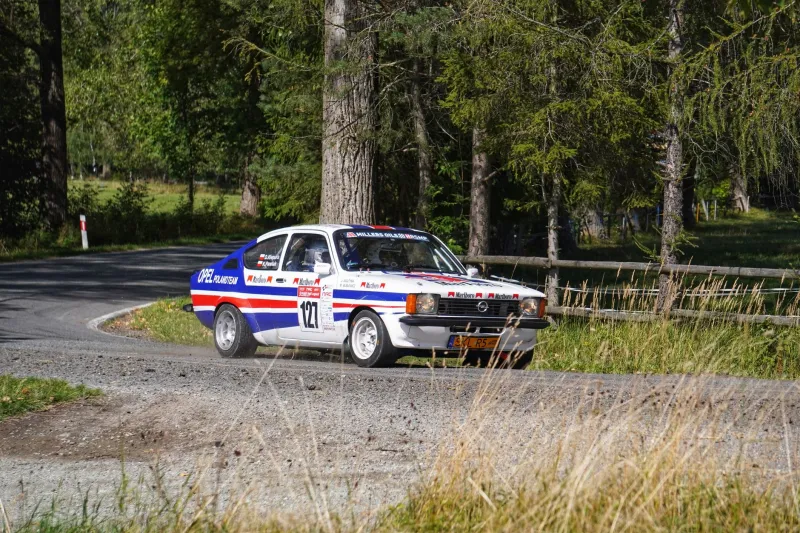
The Hypercar Trap
There's a point in every TDU 2025 save where the game quietly stops being about driving and starts being about shopping. You hit a certain balance, the showroom tabs get shinier, and suddenly the goal isn't to enjoy the road — it's to own the thing at the top of the list.
I get it. I've done it. I've bought the headline car, taken it to a coastal highway at dusk, and found out within four minutes that it's so capable it barely needs me. Every corner is solved before I arrive. The car is doing the work; I'm just holding the controller and nodding along.
That's not a knock on the game. That's a knock on how we play it.
What a Slow Car Actually Teaches You
Here's the thing nobody tells new players: a modest car is a better instructor than a fast one. When you've got maybe 220 horsepower and a set of tires that aren't magic, you can't cover a bad line with grip and downforce. You have to brake at the right place. You have to carry momentum instead of scrubbing it. You have to actually think about the corner you're entering, because the penalty for getting it wrong isn't a slightly slower lap — it's a spin and a long, embarrassing recovery.
Spend a week in a light, underpowered coupe and your braking points sharpen up. Your throttle control cleans up, because you're not stabbing it, you're feeding it. Then go back to something with a monster power figure and realize you're smoother than you were before. The underdog didn't slow your progress down. It made you a better driver.
Tuning for Feel, Not for Numbers
Most players tune upward until the car stops misbehaving. That's the wrong instinct.
On a low-power car, resist the urge to max out every slider. Softer springs and a slightly taller ride height will let the car move over rough pavement and communicate what the tires are doing. Shorten the gear ratios so you can actually use all the revs inside a single corner exit instead of hitting third gear at 4,000 rpm. Skip the biggest wing — you don't have the speed to need it, and it just adds drag and weight. And whatever you do, don't buy the most aggressive tire compound available. Leave a little grip on the table. A car that slides a degree or two is a car that talks to you.
The goal isn't the fastest build. The goal is a car you can drive at nine-tenths without feeling like you're about to ruin someone's day. That car exists in every tier of the showroom. It just never gets featured on a thumbnail.
Club Racing, Underdog Style
This is where the whole argument pays off. If you run a lobby with no rules, it devolves into hypercar roulette — same three cars, same three winners, everyone else in the back watching a spec sheet do laps.
Slap on a power cap and a build budget instead. Something like 300 horsepower, sixty grand total including the purchase, no aftermarket aero, one spec tire. Six-lap sprints. Reverse grid for the second race so the fast guys start at the back. Suddenly every car on the grid is different, and the results are decided by who's patient and who isn't.
The best race I've been in this year had eleven entrants and not a single car over 280 horses. The lead changed four times in the last two laps. Nobody got lapped. Nobody quit early. That's not a coincidence — that's what happens when the equipment stops being the story.
The American Underdog Tradition
This isn't a new idea, and it isn't a niche one either. US car culture has always had a soft spot for the little guy. The original roadsters that turned into club racing staples. The cheap hatchbacks that became the default first car for a generation. The four-cylinder muscle cars that got laughed at in the showroom and then quietly built a fanbase. Down at the county fairground dirt tracks, the claimer classes — where a car costs less than a set of premium wheels — draw the biggest crowds of the night, because the racing is close and the wrecks are real.
There's an old line from the car magazines that gets repeated so often it's basically folklore: it's more fun to drive a slow car fast than a fast car slow. It survives because it's true. Compare that to the hypercar side of the culture — six-figure machines that live in climate-controlled garages and get trailered to a scenic road for a photo. Impressive, sure. But it's not a hobby you can join on a Tuesday.
The underdog is democratic. Anyone can afford the entry fee, anyone can win, and the person who does win usually earned it.
Keep One Beater in the Garage
My suggestion, and I'll keep making it until somebody listens: no matter how full your garage gets, always leave a slot for something cheap, slow, and slightly ridiculous. A car you can drive badly without consequence. A car you take out when you've had a long day and don't want to think about apex speeds.
Build it with care. Tune it for feel. Paint it something a reasonable person wouldn't choose. Then drive it at ten-tenths on a road you know by heart and remember why you started playing a driving game in the first place.
The leaderboard will still be there next week. It's not going anywhere. Neither is that $2 million car — it'll be sitting in the showroom, waiting patiently, doing absolutely nothing for your corner entry.