Level Up or Get Left Behind: What TDU 2025's Career Mode Really Teaches You About Racing
Most racing games treat career mode like a formality. Win some races, unlock faster cars, repeat until the credits roll. TDU 2025 doesn't exactly reinvent that wheel, but it does something a little more interesting — it layers in enough structure and consequence that players who pay attention actually come out the other side with sharper instincts. Whether that's intentional design genius or a happy accident is up for debate, but the result is a progression system that, at its best, feels less like a checklist and more like an actual apprenticeship.
We spent time with the career mode from the opening amateur circuits all the way up to the elite invitation events, and we talked to a handful of players — from weekend warriors to folks with real-world track experience — about what the game gets right, what it gets wrong, and where the line is between genuine skill development and pure grind.
Starting Small Actually Matters
The opening stretch of TDU 2025's career does something smart: it keeps the cars slow and the tracks tight. You're not sliding a supercar around Ibiza in your first hour. You're wrestling with underpowered coupes through technical layouts that punish lazy braking and reward clean corner exits. It's unglamorous, and plenty of players rush through it as fast as possible — but the ones who slow down and actually work on their fundamentals here tend to have a noticeably easier time when the horsepower starts climbing.
"I almost quit during the early races because they felt boring," said Marcus, a player from outside Atlanta who's been in the TDU community since the original game. "But I went back and really focused on braking points, and by the time I hit the intermediate tier, I realized I'd actually built something. My lap times were cleaner than friends who'd been skipping ahead."
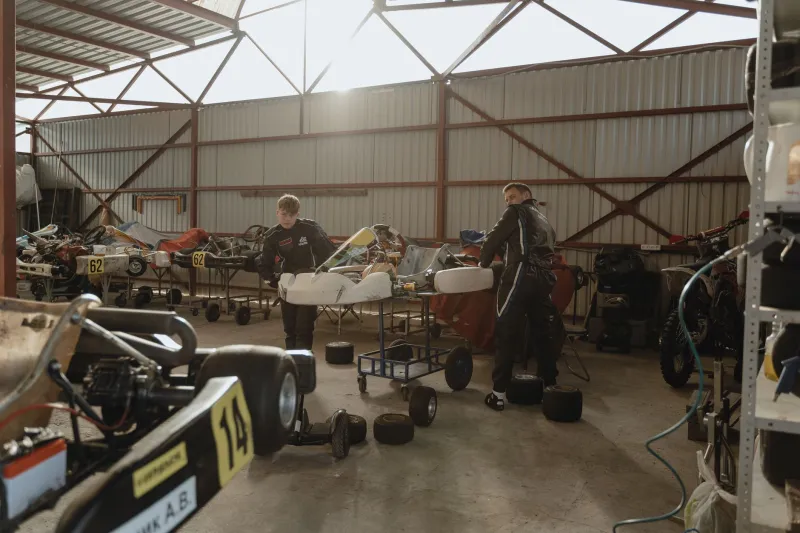
Real motorsport works the same way. Karting, autocross, entry-level club racing — the whole point of those early stages isn't to be exciting. It's to build muscle memory before the consequences of mistakes get expensive. TDU 2025 replicates that philosophy reasonably well, even if the stakes are obviously virtual.
The Skill Gates Are Doing More Work Than You Think
One of the more underrated design choices in TDU 2025's career is how it handles progression locks. You can't just grind money and buy your way into elite events — you have to hit specific performance benchmarks. Podium finishes, clean race bonuses, time trial thresholds. On the surface, it looks like busywork. Dig a little deeper and it's actually functioning as a competency filter.
Those clean race bonuses in particular are worth paying attention to. The game rewards you for completing events without excessive contact, which nudges players toward racecraft rather than pure aggression. It's a subtle but effective way of teaching something that takes real drivers years to internalize: that consistency beats bravado almost every time.
Jordan, who races in SCCA time trials on weekends and plays TDU 2025 to decompress, put it plainly: "The clean race incentives are the most realistic thing in the game. In real amateur racing, you can be the fastest guy on track and still blow your season by taking someone out in turn three. The game punishes that same mentality, and I think a lot of casual players don't even realize why they're not progressing — it's because they're driving like it's a demolition derby."
Decision-Making Under Pressure: Where TDU 2025 Actually Shines
Mid-career is where things get genuinely interesting. The game starts throwing curveballs — weather shifts mid-race, opponents with noticeably different aggression levels, events where your car choice matters more than your reflexes. This is where TDU 2025 stops feeling like a simple skill test and starts feeling like a strategic puzzle.
Choosing the wrong car for an event isn't just a minor inconvenience at this stage. It can mean the difference between a comfortable win and a brutal last-place finish. That forces players to think ahead, to understand vehicle categories, and to make resource decisions that have real consequences for their progression. Sound familiar? It should — that's basically what team principals and driver managers deal with every race weekend at every level of motorsport.
The game doesn't explain this particularly well. There's no tutorial that says "hey, match your car's strengths to the event format." You figure it out by failing, which is actually how most real-world racers learn it too. Trial by fire, just with a lower repair bill.
Where the Grind Gets Hollow
Let's be honest about where the system breaks down, because it does break down. The late-career stretch has a pacing problem. Some of the final unlock requirements feel less like skill gates and more like time gates — repetitive events designed to keep you in the game longer rather than to teach you anything new. The racing discipline lessons are mostly done by the time you hit the top tier; what's left is execution and patience.
Several players we spoke to flagged this as the point where they checked out of career mode entirely and shifted focus to multiplayer. That's a valid response. If the game isn't teaching you anything new and the events feel recycled, there's not much reason to keep grinding outside of completionist motivation.
"I got to about 80 percent completion and just stopped caring," admitted Priya, a player from Chicago who describes herself as a casual fan of the franchise. "The early and mid-game felt like I was actually improving. The end game felt like homework."
That's a real design tension that TDU 2025 doesn't fully resolve. The good news is that the foundation is strong enough that even an imperfect landing doesn't erase the value of the journey.
What You Actually Walk Away With
Strip away the fictional prestige events and the aspirational garage goals, and TDU 2025's career mode is quietly teaching a few things that hold up beyond the game itself: brake later than feels comfortable, pick your battles in traffic, match your tools to the task, and accept that consistency is a skill in itself.
None of that is going to make you a racing driver. But if you're someone who's ever thought about trying an autocross event or a track day, the mental frameworks the game builds aren't useless. They're a decent introduction to the kind of thinking that separates drivers who improve from drivers who just accumulate seat time.
For the TDU veterans reading this who've already burned through career mode — go back through the early events with fresh eyes. Focus on clean laps, not fast ones. You might be surprised what you notice the second time around.